
ManualLocal processing

Redact a Screenshot

Black out names, email addresses, phone numbers, order IDs and private messages in a screenshot before you post or send it. Your files never leave your device.

Ideal for bug reports, support tickets, social posts about a scam message, or sharing a receipt. Black box is selected because it fully replaces the pixels underneath.

Suite hub
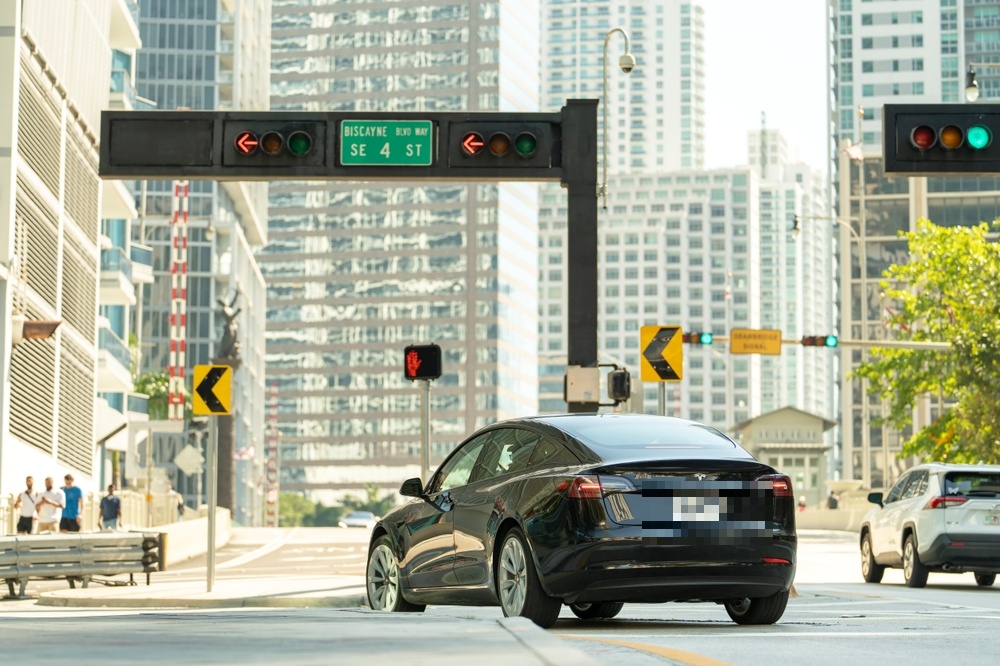
Real examplePlate covered
1 area redacted
Car with its license plate covered using Image Redactor
ModesBlack boxBlurPixelate

Drop one image to redact

Draw boxes over sensitive areas, then export a flattened copy.

Common screenshot leaks

Browser tabs and bookmarks bar, notification previews, the account name in the corner of an app, the last digits of a card, and URL bars containing tokens or reset links.

Cropping is not always enough: some phones and editors keep the uncropped original inside the file or in your cloud history. Redacting and exporting a new flattened file avoids that.

Why black box beats blur for text

Text in screenshots is crisp and high-contrast, which makes light blur or pixelation easier to reverse than in photos. A solid black box removes the characters entirely.

Three steps, no upload.

Load

Add your image

JPEG, PNG, or WebP.

Mark

Draw over sensitive areas

Cover faces, names, addresses, plates, account numbers, or tokens with black box, blur, or pixelate.

Export

Download a flattened copy

Redactions are baked into the pixels of a new file, and metadata is stripped on export.

Most file tools send your files to someone else's server first. NoUpload doesn't.

For client work, ID scans, medical documents, unreleased product shots, or anything else you do not want sitting in a stranger's storage, the safer upload is the one that never happens.

File processing runs in your browser. Google Analytics records page views and anonymous tool-usage events, but NoUpload does not send filenames, metadata values, file sizes, image blobs, or other file details as analytics data.

  • Your files never leave your device
  • No account, sign-in, or email required
  • Analytics events record only which tool and page were used
  • No server-side file processing path

Don’t take our word for it. Check.

Anyone can claim files stay on your device. Here is how to confirm it yourself in under a minute, with tools already in your browser.

  1. Open the Network panel. Press F12 (Windows/Linux) or ⌥⌘I (Mac) and choose the Network tab.
  2. Process a file. Add an image and run any tool, then download the result.
  3. Read the requests. You will see page assets and small anonymous analytics pings. No request carries your image.

Or go further: load the page, switch off Wi-Fi, and use the tool. Processing still works, because it never needed a server.

Common questions

No. The export is a new flattened image; the covered pixels are replaced, not layered on top.